• Home
  • UK Innovator Founder Visa 2026 Guide & Requirements

Visit Visa vs Tourist Visa: Understanding the Real Difference in 2026

One of the most common questions travelers ask before applying for a visa is whether they need a Visit Visa or a Tourist Visa. At first glance, these may appear to be two completely different visa categories. However, in most major immigration systems around the world, that is not actually the case.

In countries such as the United Kingdom, the United States, Canada, Australia, and most Schengen countries, tourism and family visits are often processed under the same broader visitor visa category. The difference is usually not the visa itself but rather the purpose of travel and the supporting documents provided with the application.

This distinction is important because many applicants mistakenly choose the wrong application pathway or fail to provide the evidence required for their specific travel purpose. Understanding how immigration authorities view tourist travel and family visits can help you prepare a stronger application and improve your chances of approval.

In this guide, we explain the real difference between tourist travel and family visits, how major countries classify these applications, and what documents you need for each situation.


The Most Important Fact: In Many Countries They Are the Same Visa Category

The Most Important Fact In Many Countries They Are the Same Visa Category

One of the biggest misconceptions in immigration is the belief that a Visit Visa and a Tourist Visa are always separate legal visa types.

In reality, many countries use a single visitor visa category that covers multiple travel purposes. Applicants simply choose the reason for their visit during the application process.

For example, in the United Kingdom, both tourism and visiting family members fall under the Standard Visitor Visa route. The visa category remains the same, but applicants select whether they are traveling for tourism, family visits, business activities, medical treatment, or other approved purposes.

Similarly, in the United States, most short-term tourism and family visits are covered under the B1/B2 Visitor Visa. Schengen countries also generally use the same Short-Stay Type C Visa for both tourists and individuals visiting relatives or friends.

This means that when people talk about a “Tourist Visa” or a “Visit Visa,” they are often referring to different travel purposes rather than completely different visa classes.

What Is a Tourist Travel Application?

  • A tourist travel application is intended for individuals whose primary purpose is leisure, sightseeing, holidays, cultural experiences, or recreational activities.

    In this type of application, the traveler is usually responsible for organizing and paying for the trip independently. Immigration authorities expect to see evidence of planned tourism activities, accommodation arrangements, transportation bookings, and sufficient funds to cover all expenses.

    The focus of a tourist application is not on personal relationships within the destination country but rather on the travel experience itself.

    A tourist applicant may plan to visit famous landmarks, explore cultural attractions, attend festivals, enjoy a vacation, or participate in short recreational activities. Because there is typically no sponsor involved, the applicant’s own financial position becomes one of the most important factors in the visa assessment process.

    Strong bank statements, stable employment, business ownership, and a clear travel itinerary often play a significant role in securing approval.

What Is a Family or Private Visit Application?

A family or private visit application is designed for individuals traveling to spend time with relatives, friends, or personal contacts who are legally residing in the destination country.

Unlike tourist travel, the application is based on a personal relationship with a host. Immigration authorities therefore require evidence that the relationship is genuine and that the visit has a legitimate purpose.

The host may provide accommodation during the stay and, in some cases, may also support part of the applicant’s travel expenses. Because another individual is involved, immigration officers often examine both the applicant’s profile and the sponsor’s circumstances before making a decision.

Examples of family or private visits include attending weddings, family gatherings, religious celebrations, graduation ceremonies, birthdays, or simply spending time with relatives living abroad.

The stronger the evidence of the relationship, the more credible the application becomes.

Understanding the Role of Invitation Letters

Many applicants assume that an invitation letter is simply a short note from a family member or friend. In reality, immigration authorities often expect much more than that.

For several countries, particularly within Europe, an invitation letter may need to be supported by additional documentation proving the host’s identity, legal status, residence address, and financial capability.

In some Schengen countries, hosts may even be required to obtain official sponsorship or accommodation declarations from local authorities before inviting a visitor.

This means that the strength of the sponsor’s documentation can become almost as important as the applicant’s own evidence. A weak or incomplete invitation package can create doubts and reduce the likelihood of approval.

Applicants should therefore carefully review the requirements of the destination country rather than assuming that a simple invitation letter will always be sufficient.

Tourist Travel vs Family Visits: The Practical Difference

  • Although both applications may fall under the same visitor visa category, immigration officers assess them differently because the supporting evidence is different.

    A tourist traveler is generally expected to provide hotel reservations, travel itineraries, sightseeing plans, proof of sufficient funds, and evidence of employment or business activities.

    A family visitor, on the other hand, must often provide proof of relationship, sponsor documentation, accommodation arrangements, and invitation evidence in addition to their own financial records.

    Neither pathway is inherently easier than the other. Success depends on how effectively the applicant demonstrates the authenticity of their travel purpose and supports it with credible documentation.

Which Application Path Is Easier?

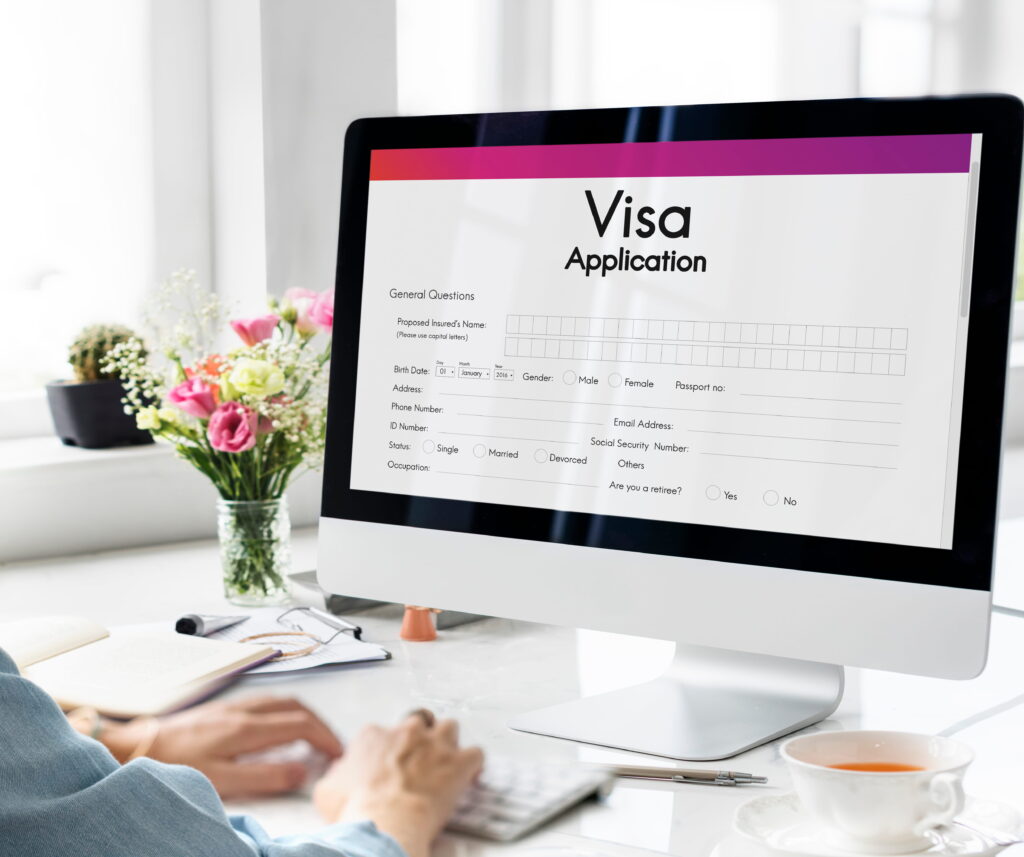
Visa Application Process

Many people believe that obtaining a family visit approval is easier because there is a sponsor involved. Others assume tourist applications are simpler because they do not require sponsor documentation.

The reality is that both pathways have strengths and challenges.

A family visit application may benefit from having a legitimate sponsor who can verify the purpose of travel and provide accommodation. However, the sponsor’s documentation must also withstand scrutiny.

A tourist application avoids sponsor-related requirements but places greater emphasis on the applicant’s personal finances, travel history, and itinerary.

Immigration officers do not automatically prefer one type of application over another. Their primary concern is whether the evidence supports the stated purpose of travel and whether the applicant is likely to comply with immigration laws.

Common Mistakes That Lead to Refusals

Regardless of whether the application is based on tourism or family visits, the reasons for refusal are often remarkably similar.

Weak financial evidence remains one of the most common problems. Immigration authorities want to see stable income, genuine account activity, and sufficient funds to support the trip.

Another frequent issue is inconsistent information. If employment records, bank statements, invitation letters, or travel plans contradict each other, visa officers may question the credibility of the application.

Applicants also make the mistake of submitting unrealistic itineraries, incomplete sponsor documents, or vague explanations about their travel intentions.

Most importantly, providing false information or fraudulent documents can result in serious immigration consequences, including long-term bans from future visa applications.

How to Improve Your Chances of Approval

A successful visitor visa application begins with careful preparation. Applicants should ensure that every document supports the purpose of travel and that all information remains consistent throughout the application.

Tourist travelers should focus on presenting a realistic itinerary, strong financial evidence, and clear accommodation arrangements. Family visitors should provide detailed sponsor documentation, proof of relationship, and evidence that the visit is genuine.

A professional cover letter can also help explain the purpose of travel, planned activities, financial arrangements, and reasons for returning home after the trip.

The strongest applications are usually those that tell a clear, believable story supported by accurate and verifiable documentation.

Final Thoughts

The debate between Visit Visas and Tourist Visas often creates unnecessary confusion because, in many countries, they are not separate visa categories at all. Instead, they are different travel purposes that fall under the same visitor visa framework.

The real difference lies in why you are traveling and what evidence you provide to support your application. Tourist travelers focus on leisure and sightseeing, while family visitors rely on personal relationships and sponsor support.

Understanding this distinction can help applicants choose the correct application pathway, prepare stronger documentation, and avoid common mistakes that lead to refusals.

Before applying, always review the specific immigration requirements of your destination country, as documentation standards and sponsorship rules can vary significantly between jurisdictions.

Frequently Asked Questions

Answer:In most cases, yes. Family visit applications usually require sponsor documentation and evidence of the relationship.

Answer:Yes. Some applicants visit relatives while choosing to stay in a hotel. However, this should be clearly explained in the application.

Answer:There is no universal answer. Approval depends on the strength of the applicant's profile, documentation, and credibility.

Answer:Yes. A positive travel history can strengthen both tourist and family visit applications.

Answer:Many countries allow sponsorship from friends, provided the relationship is genuine and the sponsor meets the relevant requirements.

Naeem Uddin

Leave A Comment